

⚡ TL;DR: This guide walks Raleigh homeowners through tile roof installation, from choosing weather-suited materials and prepping structures to laying techniques and pro tips for durable results.
📋 What You’ll Learn
Dive into tile roof mastery for Raleigh homes, learning proven strategies for material selection, structural prep, waterproof underlayment, precise laying techniques, and pro finishes tailored to local weather challenges.
- Select top tile materials suited to Raleigh's humidity, storms, and winds, ensuring exceptional durability and resistance for decades of reliable roof performance.
- Prepare and reinforce structures effectively by assessing load capacity and making necessary upgrades to safely support heavy tiles against local weather stresses.
- Install underlayment expertly as the vital waterproof base layer that blocks leaks and moisture during North Carolina's frequent heavy rain events.
- Master step-by-step tile laying with techniques for secure overlaps, alignment, and integration of valleys, ridges, and flashing for seamless protection.
- Study real Raleigh transformations like a historic bungalow revival, revealing practical insights from field-tested tile roofing success stories.
📖 Reading time: 7 min
✍️ Author expertise: Raleigh roofing pro with 25 years of hands-on tile installation on local NC homes.
Ever watch a brutal Raleigh thunderstorm rip shingles off neighbor's houses while yours stays rock-solid?
That's the quiet power of a masterfully installed tile roof—handling our humid summers, howling winds, and occasional ice without breaking a sweat.
Clay or concrete tiles have ruled Mediterranean-style homes for centuries, and here in the Triangle, they're gaining ground for good reason: unmatched durability and killer curb appeal.
Ready to see how pros make it happen right the first time? Let's dive into the steps that turn ordinary Raleigh roofs into fortresses.
Choosing the Right Tile Material for Raleigh's Demanding Weather
Raleigh throws everything at your roof. Scorching humidity. Gale-force winds from nor'easters. Hail that punches like a heavyweight.
Clay tiles stand tall here. Fired from natural earth, they shrug off 150 mph winds and laugh at fire risks. But they pack a punch in weight, so check your home's framing first.
Clay Tiles: The Timeless Champ
- Wind-proof grip: Interlocking profiles lock down tight against Triangle gusts.
- Cool under pressure: Reflect heat, slashing AC bills in our muggy summers.
- Color that lasts: No fading from UV blasts.
Concrete Tiles: Tough Budget Alternative
Concrete mimics clay's look at half the cost. Engineered for impact resistance, they handle hail better than most.
Pick low-profile styles for wind uplift. Both crush it long-term, but match to your pitch and budget.
Essential Roof Preparation: Assessing and Reinforcing Your Structure
Before a single tile touches your Raleigh roof, we inspect every inch. Skip this, and heavy tiles could crack rafters or punch through decking during our next windstorm. Pros start with a full structural audit to spot weaknesses early.
Spot the Red Flags First
- Sagging rafters or trusses screaming for support.
- Rotten plywood decking from years of humidity leaks.
- Overhangs too flimsy for tile's 7-10 pounds per square foot load.
One overlooked soft spot turns your dream roof into a disaster. We use levels, moisture meters, and load calculators tailored to Triangle weather patterns.
Reinforce Like a Beast
beef up those rafters with sistering or steel purlins. Swap old decking for minimum 5/8-inch tongue-and-groove plywood rated for tiles. In Raleigh's clay-heavy soils, we also check for foundation shifts that stress the frame.
This prep isn't cheap, but it saves your house from collapsing under tile weight. Get it right, and your roof laughs at hurricanes.

Installing the Underlayment: The Foundation of Waterproof Protection
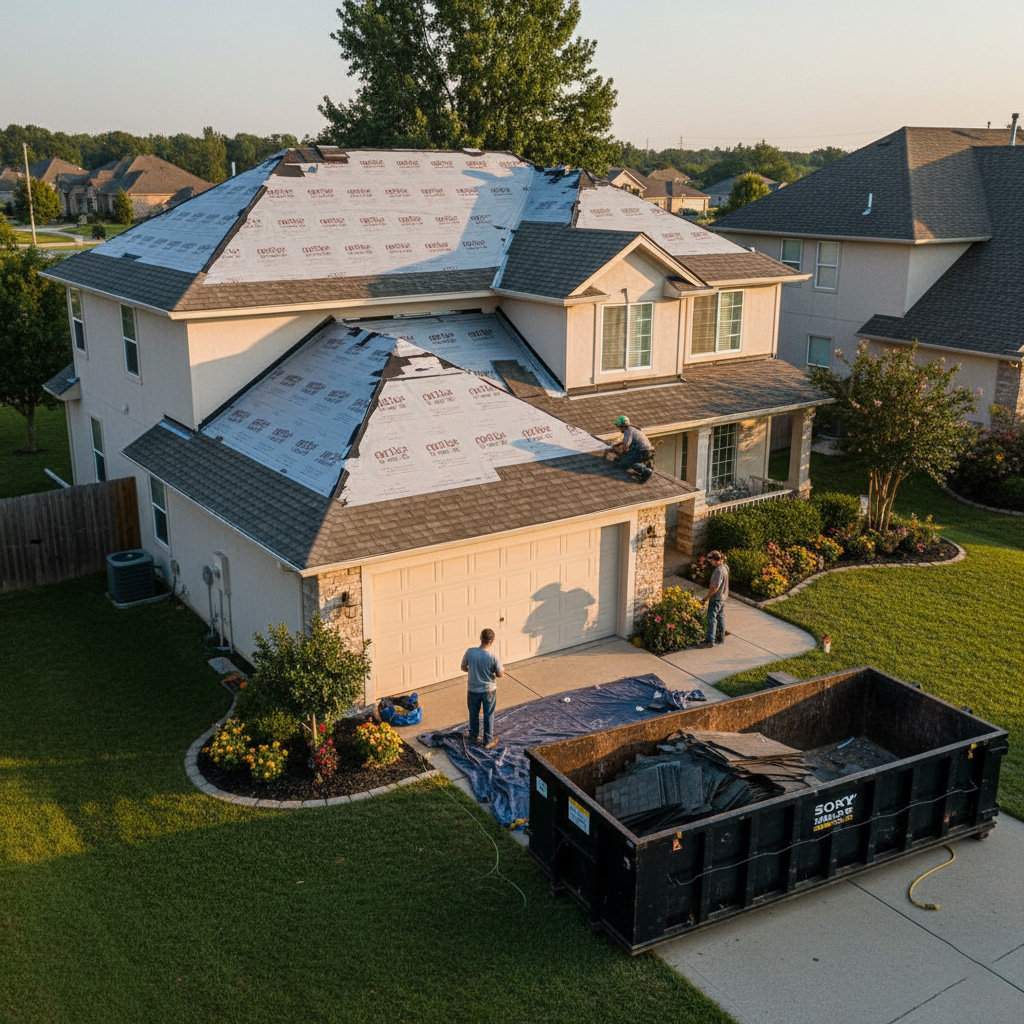
Skip this step, and your fancy tile roof turns into a leaky disaster during Raleigh's next downpour. Underlayment acts as the unsung hero, sealing out moisture before it hits the deck. Think of it as your roof's first line of defense against humidity and wind-driven rain.
Go with synthetic underlayment over old-school felt—it's tougher, lighter, and slips less on steep pitches common in our area. Clay tile pros swear by high-temp versions that won't melt under hot tar or brutal sun. Lay it smooth, no wrinkles, overlapping seams by six inches minimum.
Quick Install Checklist for Raleigh Roofs
- Clear all debris from the deck. Nails, leaves—gone.
- Start at the eaves, roll out parallel to the edge.
- Secure with plastic cap nails every 12-24 inches.
- Double-layer valleys and penetrations for extra insurance.
- Seal overlaps with tape rated for tile weights.
One wrong fold here, and water sneaks in, rotting your rafters from the inside. Nail it right, and your tiles sit on a bombproof base ready for decades of Triangle storms.
Step-by-Step Tile Laying Techniques for Maximum Durability
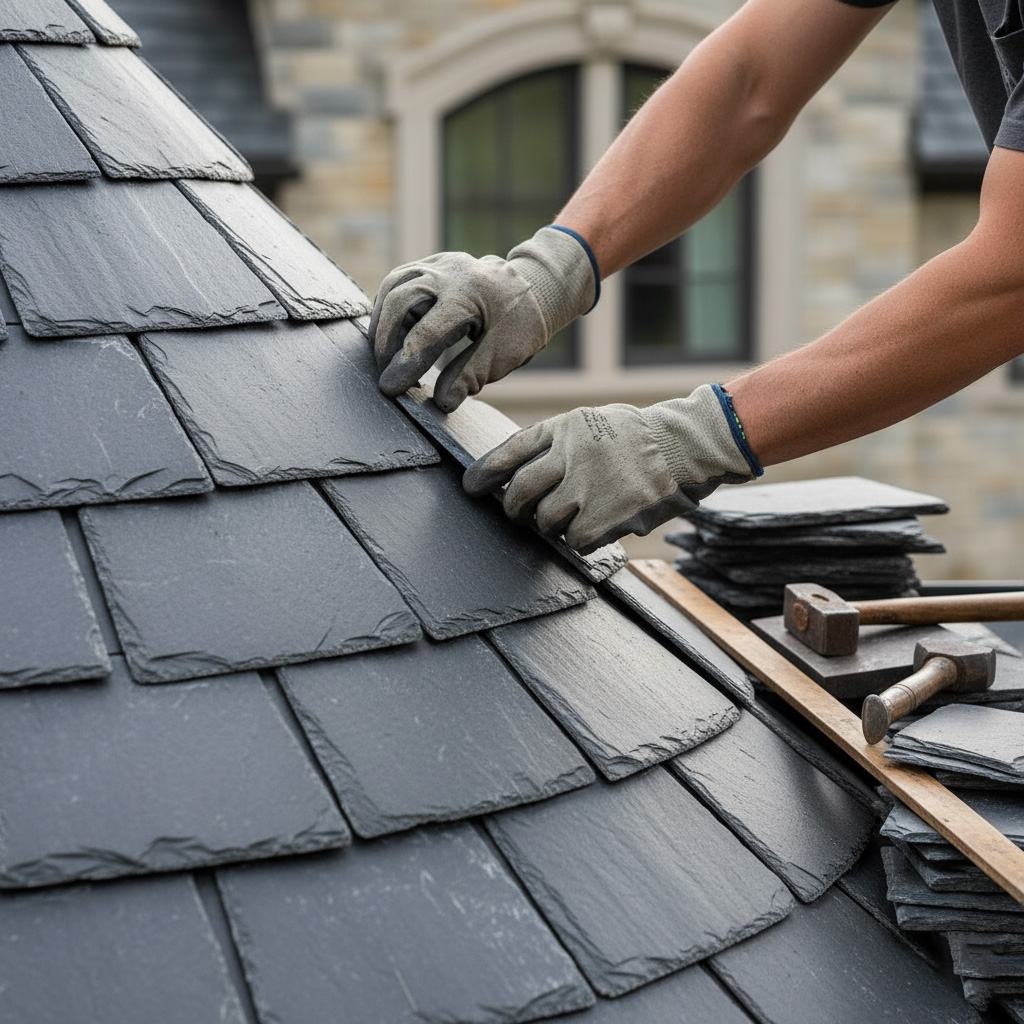
Pros kick off tile laying from the eaves edge. Lay the first course flat and level, using chalk lines snapped every few feet. Nail tiles through pre-drilled holes with corrosion-resistant fasteners—aim for two nails per tile in high-wind zones like Raleigh.
Overlapping Like a Pro
- Stack each row with a one-third overlap on the course below—locks out water during those pounding Triangle downpours.
- Shift horizontally by half a tile to dodge straight seams that leak.
- Double-check gauge spacing (usually 12-15 inches) with a story pole for even runs up the slope.
Speed kills amateurs. Work in small sections, 100 square feet max, to keep everything plumb before mortar sets.
Curve balls hit on hips and rakes—cut tiles with a wet saw for tight fits. Bed them in thin-set mortar for extra grip against ice expansion. Test your handiwork with a hose right after: no drips means you nailed it.
Handling Valleys, Ridges, and Flashing: Pro Tips for Seamless Integration
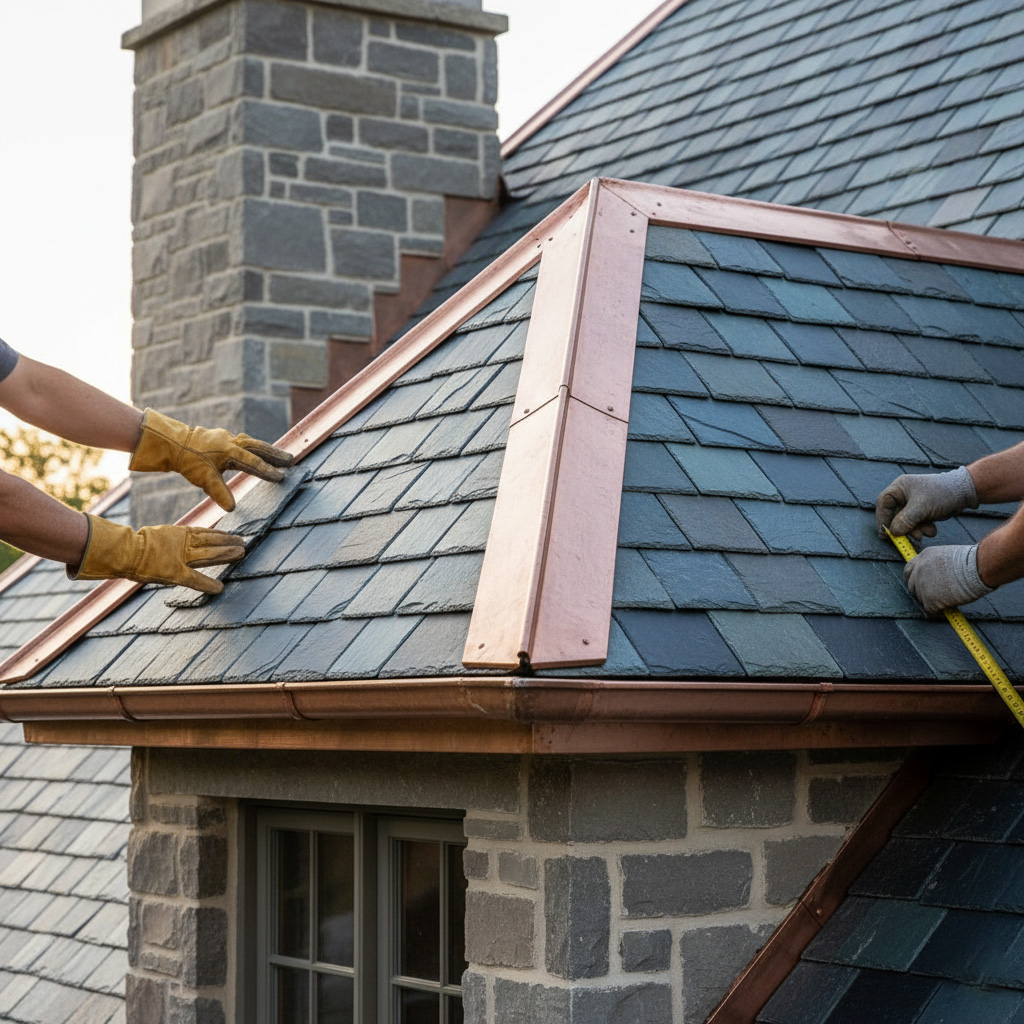
Valleys catch the most brutal water flow during Raleigh downpours. Mess this up, and leaks turn into nightmares. Pros weave tiles with metal flashing here for bulletproof seals.
Valleys Done Right
- Start with corrosion-resistant aluminum or copper flashing bent to a perfect 90-degree angle.
- Lay tiles over the flashing edges, nailing through only the thickest parts to avoid punctures.
- Seal joints with high-heat butyl tape. It flexes with our humidity swings without cracking.
Ridges and Flashing Mastery
Ridges face wind uplift from Triangle gales. Skip ridge caps, and you're begging for lift-off. Install ventilated ridge tiles with hidden foam closure strips for airflow and lockdown.
Flashing around chimneys and vents? Cut tiles precise to fit, then tuck step flashing under each course. Overlap by six inches minimum. This setup laughs at ice dams and heavy rains.
Case Study: Revitalizing a Historic Raleigh Bungalow with Tile Mastery
Picture this: a charming 1920s bungalow in Raleigh's historic Oakwood district. Leaky asphalt shingles had turned the attic into a swamp during every downpour. The homeowners wanted to preserve the character but needed a roof that could take on our wild Triangle weather.
The Challenges We Faced
Weight was the big issue. Those clay tiles pack a punch, so we reinforced the rafters first. Then came matching the bungalow's vintage vibe with S-curve clay tiles in a soft terracotta shade.
- Inspected for rot and fixed weak spots.
- Added synthetic underlayment for breathability.
- Custom-cut tiles around dormers and chimneys.
Installation took three days. Crews battened down battens perfectly. No shortcuts on valleys or ridges.
The Payoff
Fast forward six months. Zero leaks after Hurricane Florence remnants hit. Energy bills dropped 15% from better insulation.
Home value? Appraiser bumped it $40K. Neighbors now hound the owners for our number. That bungalow stands prouder than ever, tile roof gleaming like new.
Final Thoughts
Tile roofs in Raleigh aren't just roofs. They stand up to our wild weather swings like nothing else.
Skip the DIY traps. Hire a crew that nails every step, from underlayment to flashing.
Picture your home shrugging off the next hailstorm while neighbors scramble.
- Durability that lasts decades.
- Curb appeal that turns heads.
- Peace of mind, pure and simple.
Ready for that upgrade? Jump into our Tile Roof Installation page and let's talk specifics for your place.
People Also Ask
How long do tile roofs typically last in Raleigh's climate?
Tile roofs in Raleigh can last 50-100 years with proper installation and maintenance, thanks to their resistance to the area's heavy rains, humidity, and occasional hurricanes. Materials like concrete or clay tiles withstand thermal expansion and UV exposure better than asphalt shingles. Regular inspections every 5-7 years ensure longevity by addressing minor issues early.
Are tile roofs suitable for Raleigh's weather conditions?
Yes, tile roofs excel in Raleigh's demanding weather, including high winds, intense sun, and frequent storms, due to their durability and wind resistance up to 110 mph. They provide superior protection against moisture and heat, reducing energy costs in humid summers. Proper installation with reinforced underlayment is key for optimal performance.
What is the average cost of tile roof installation in Raleigh, NC?
Tile roof installation in Raleigh typically costs $15-$25 per square foot, depending on material type, roof complexity, and labor. Concrete tiles are more affordable than premium clay options, but both offer long-term savings through durability. Factors like roof pitch and accessibility can influence the final price—get a free quote for accurate estimates.
How do you prepare a roof structure for tile installation in Raleigh?
Assess the existing structure for load-bearing capacity, as tile roofs are heavier; reinforce rafters if needed to meet local building codes. Remove old roofing materials and inspect for rot or damage, ensuring a solid base. Install synthetic underlayment for enhanced waterproofing tailored to Raleigh's wet climate.
What maintenance is required for tile roofs in Raleigh homes?
Annual inspections for cracked tiles, loose mortar, or debris buildup prevent water intrusion during heavy rains. Clean gutters regularly and replace damaged tiles promptly to maintain integrity. Professional sealing every 5-10 years boosts resistance to moss and algae common in Raleigh's humidity.

Raleigh Roofing provides residential and commercial roofing services throughout Raleigh, NC. With extensive experience in the industry, the team handles installations, repairs, and maintenance suited to the local climate. Deeply rooted in the Raleigh community, Raleigh Roofing focuses on reliable craftsmanship and customer needs.
Need Roofing?
Fast roof repairs and replacements in Raleigh, NC and nearby areas (27601, 27604, 27609, 27613), delivering leak-proof protection quickly.
Get Roof Quote